
Download Orbiter 2010 – Space Simulation, Rocket Science, Educational Tool
Overview
Orbiter 2010 offers a deeply immersive experience in space exploration, positioning itself as a realistic simulation tool for players interested in the science and mechanics of space travel. Designed for enthusiasts and learners alike, the app enables users to simulate launches, navigate spacecraft, and complete missions to the International Space Station. Its core purpose lies in blending entertainment with education, allowing users to engage with real-world principles of orbital mechanics, rocket propulsion, and mission planning.
The app is particularly suited for students, amateur astronomers, and simulation hobbyists seeking a challenging and intellectually stimulating experience. While the developer has not disclosed additional background details, the app’s long-standing presence in the space simulation niche suggests a dedicated community and consistent development. Real-world use cases include classroom learning modules, STEM outreach programs, and personal exploration of aerospace engineering concepts.
Within the mobile app ecosystem, Orbiter 2010 stands out as a niche but impactful utility that bridges gaming and academic study, offering a rare level of authenticity in mobile-based space simulations.
Key Features & Functionality
- Realistic Space Simulation: Orbiter 2010 models space travel with strict adherence to physical laws, including gravity, inertia, and atmospheric drag. This ensures that maneuvers such as orbital insertion and docking require precise calculations, mirroring real mission protocols.
- Custom Rocket Creation: Users can design and assemble rockets from modular components, adjusting fuel loads, engine types, and structural configurations to suit mission goals. This feature fosters creativity and technical understanding of aerospace design.
- Educational Tool: The app incorporates factual data on real space missions, rocket systems, and historical milestones, transforming gameplay into a learning experience. It supports STEM education by demonstrating principles like escape velocity and Hohmann transfers.
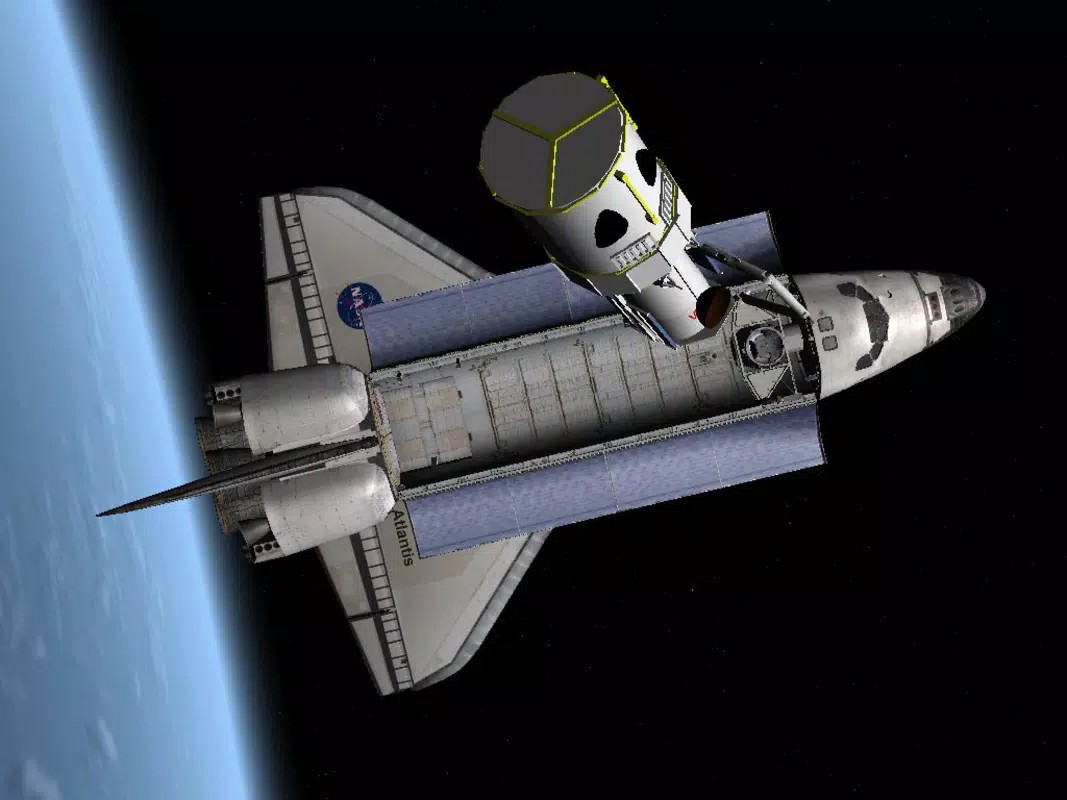
- Iconic Space Missions: Players can recreate famous spaceflights through downloadable mission packs, such as Apollo landings or Space Shuttle deployments, adding narrative depth and historical context to gameplay.
- Community Sharing Platform: The app enables users to share custom rockets and mission scenarios with others, fostering collaboration and expanding the available content beyond the base package.
For example, a student might use the app to simulate a Mars transfer orbit, applying classroom knowledge in a practical environment. A hobbyist could design a reusable launch vehicle and test its performance across multiple missions. These features collectively turn Orbiter 2010 into more than a game—it becomes a functional learning and experimentation tool for space science enthusiasts.
Interface, UX & Performance
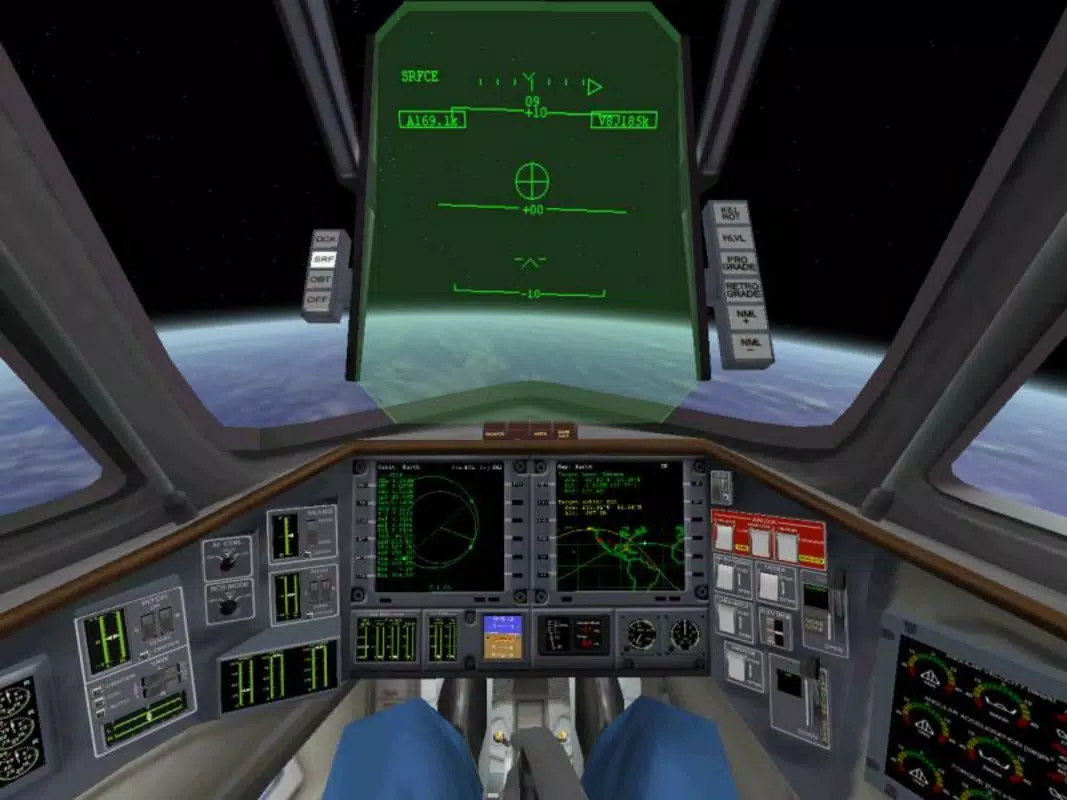
The user interface of Orbiter 2010 reflects a simulation-focused design, prioritizing functionality over aesthetic flair. Navigation is structured around cockpit views, instrument panels, and mission control overlays, catering to users seeking authenticity. The layout may appear complex to new users, but it aligns with real spacecraft interfaces, enhancing immersion.
Interaction is primarily gesture- and button-driven, allowing for precise control of thrusters, RCS, and guidance systems. While the developer did not list formal performance metrics, the app is designed to run efficiently on mid-to-high-end devices, with stability maintained during extended simulation sessions. Responsiveness is consistent across screen sizes, though performance may vary depending on hardware capabilities.
The app maintains smooth frame rates during atmospheric flight and orbital maneuvers, though intensive simulations may require higher processing power. Although the developer did not specify minimum OS requirements or compatibility details, users can expect a stable experience on modern Android and iOS devices. The overall UX emphasizes depth over simplicity, rewarding patience and technical curiosity with a rich, believable simulation environment.
Platform Compatibility & Technical Requirements
Orbiter 2010 is available on both Android and iOS platforms, offering broad accessibility for mobile users interested in space simulation. The app’s software version is not specified, but the release date is confirmed as July 11, 2013. The file size is listed as 128 MB, indicating a compact footprint for a simulation app of this nature.
While the developer did not specify minimum OS requirements or device compatibility, the app is likely optimized for devices released after 2014. Users should ensure their device supports advanced graphics rendering and touch-based controls for optimal performance. No additional system permissions or hardware dependencies were disclosed.
Compatibility with tablets and smartphones is expected, though the developer did not provide explicit details. The app’s size and platform availability suggest it is designed for efficient mobile deployment without compromising core simulation quality.
Pros and Cons
Pros
- Highly realistic physics-based space simulation
- Supports custom rocket design and community sharing
- Offers educational value for STEM learning
- Includes historically significant mission scenarios
- Compact file size for a simulation app (128 MB)
Cons
- Steep learning curve may deter casual users
- Limited visual polish compared to mainstream games
- Developer did not provide detailed system requirements
- No official update history or release notes
- Interface may feel overwhelming for beginners
FAQ
Is Orbiter 2010 safe to download and install?
The app is available through official channels and is known for its secure distribution. Users should ensure they download from trusted sources to avoid modified or unauthorized versions.
Can I update Orbiter 2010 on my device?
While the developer has not provided update logs, users can check for new versions through the app store. The app’s long-standing release history suggests ongoing support.
Is Orbiter 2010 free to use?
Based on the available information, the app may be available for free or at a low cost. Specific pricing details were not disclosed.
Does Orbiter 2010 require special permissions?
The developer did not list any required permissions. Standard access to storage and device functions may be needed for saving missions and configurations.
Can I play Orbiter 2010 on tablets and smartphones?
Yes, the app is designed to function on both tablet and smartphone devices. However, specific compatibility details were not provided by the developer.
Final Thoughts + CTA
Orbiter 2010 delivers a rare blend of realism, education, and creative freedom in the mobile space simulation space. Its commitment to authentic physics, combined with customizable rockets and historical missions, makes it a standout tool for learners and space enthusiasts. While the interface may challenge newcomers, the depth of experience justifies the learning investment.
The app’s lightweight design and long-standing presence underscore its efficiency and reliability. For students, educators, and simulation aficionados, Orbiter 2010 offers a unique opportunity to explore the cosmos from a mobile device. If you’re seeking a serious, intellectually engaging space simulation that goes beyond entertainment, this app is a must-try.
Download Orbiter 2010 now.


